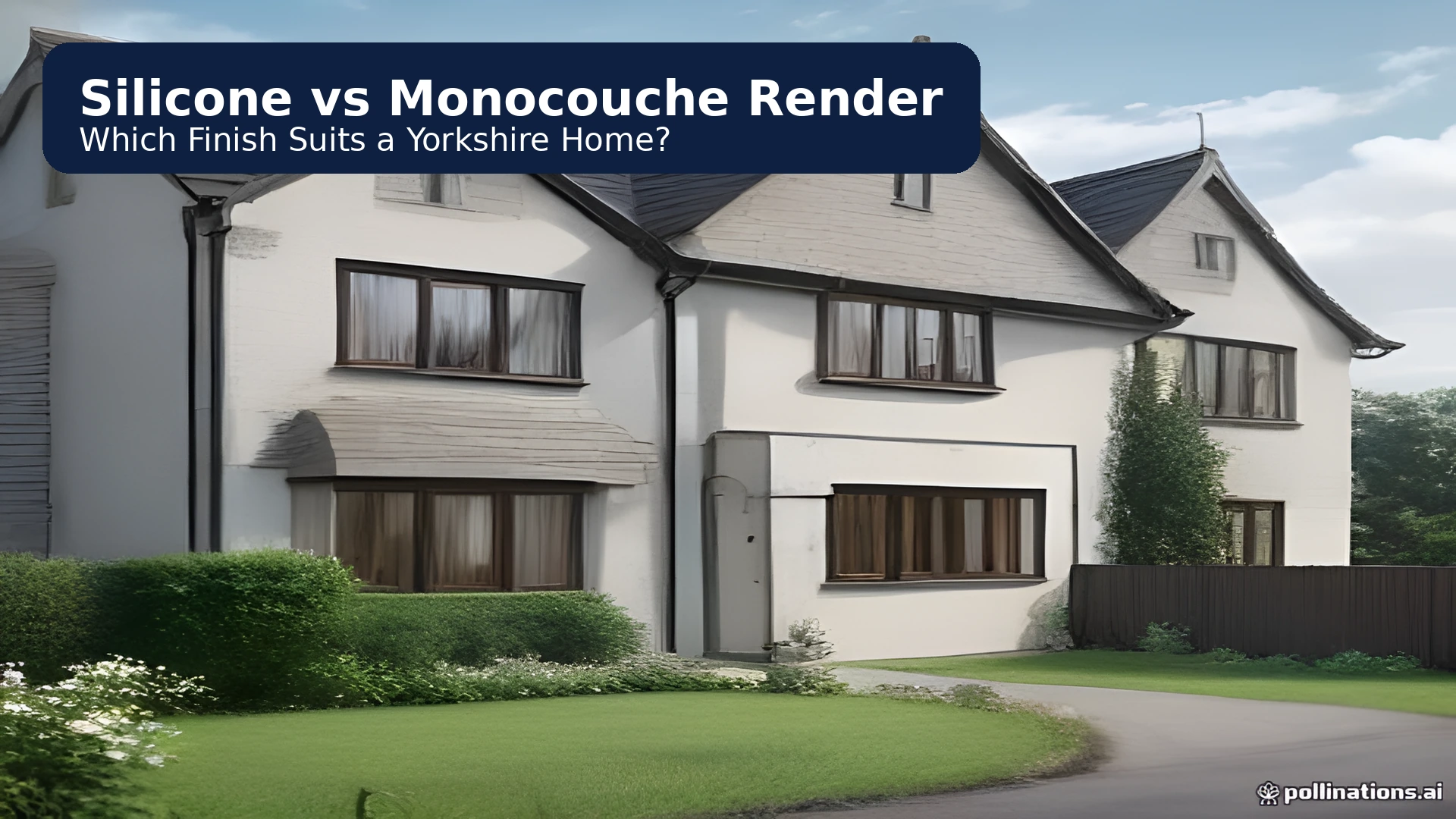
Choosing silicone vs monocouche render for a UK home is less about which label sounds modern and more about how your walls face Yorkshire rain, freeze-thaw and everyday dirt. Homeowners and small businesses with street-facing elevations often want a finish that looks sharp, sheds water and does not demand constant cleaning.
This guide compares silicone and monocouche for Yorkshire homes: how each system works, weather performance, upkeep, indicative cost ranges, and when each finish is not the right fit. When you want eyes on the property, Rendering Yorkshire can arrange support with a free site survey.
Silicone vs monocouche render at a glance
Both finishes are widely used across the UK. Monocouche is usually a thicker, through-coloured cement-based coat. Silicone render is typically a thin decorative coat over a prepared base, formulated to be more water-repellent and often more flexible.
| Factor | Silicone render | Monocouche render |
|---|---|---|
| Typical build-up | Base coat + thin silicone finish | Through-coloured one-coat style system |
| Weather behaviour | Strong water shedding; often stays cleaner | Solid protection when detailed well; can show dirt sooner on exposed faces |
| Look and texture | Fine scraped or textured thin-coat options | Heavier scraped/textured cement look |
| Colour | Wide colour ranges; through-colour base options vary by system | Colour integral to the coat |
| Upkeep | Often lower cleaning frequency | May need more washing or local touch-ups on busy roads |
| Indicative installed cost | Often mid to higher | Often lower to mid for straightforward jobs |
| Best suited to | Exposed elevations, homeowners wanting low upkeep | Sound substrates, classic look, budget-led projects |
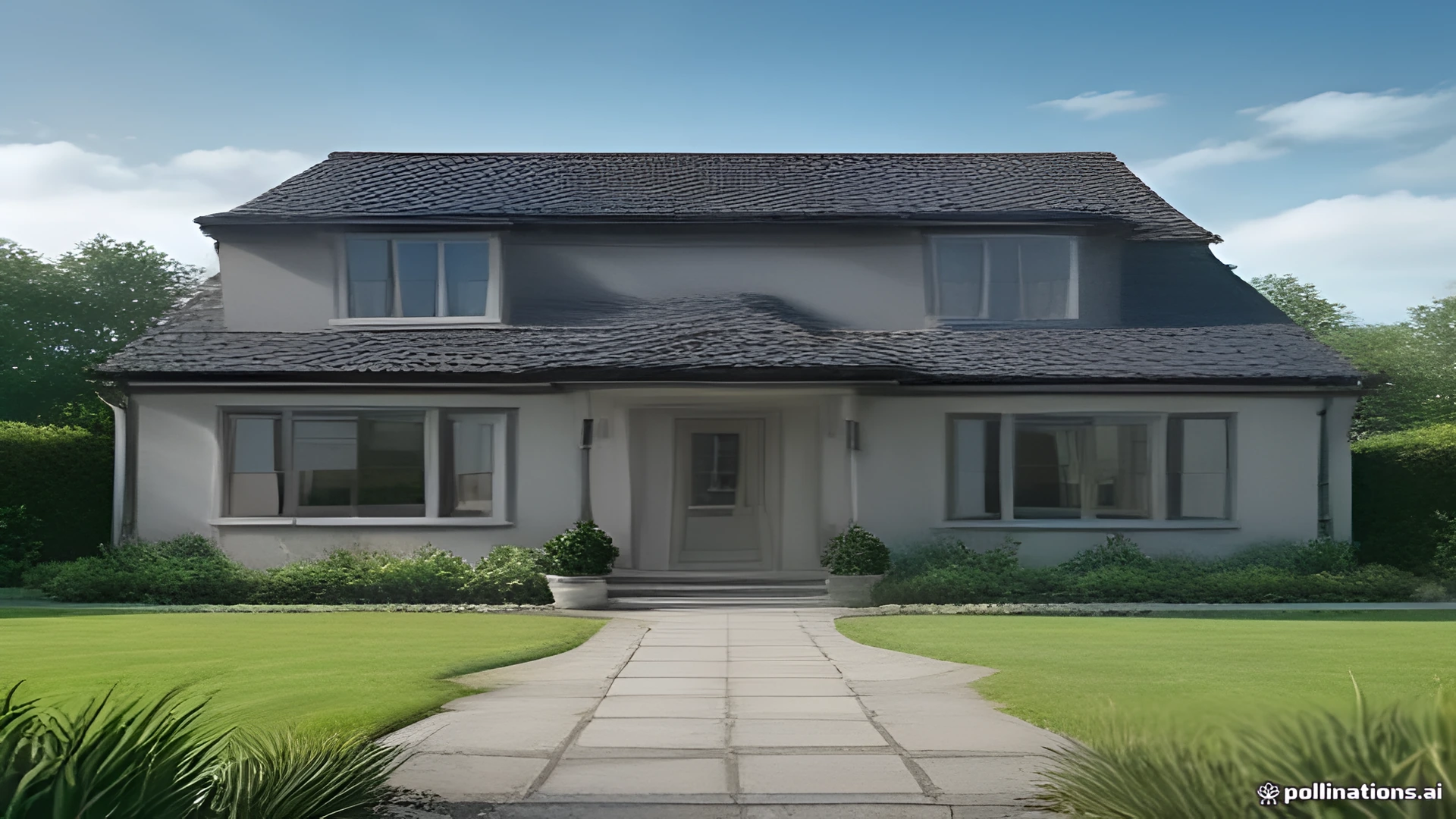
Treat the table as a decision aid, not a substitute for a wall survey. Substrate, cracking and detailing decide more than marketing names.
How monocouche render works on UK homes
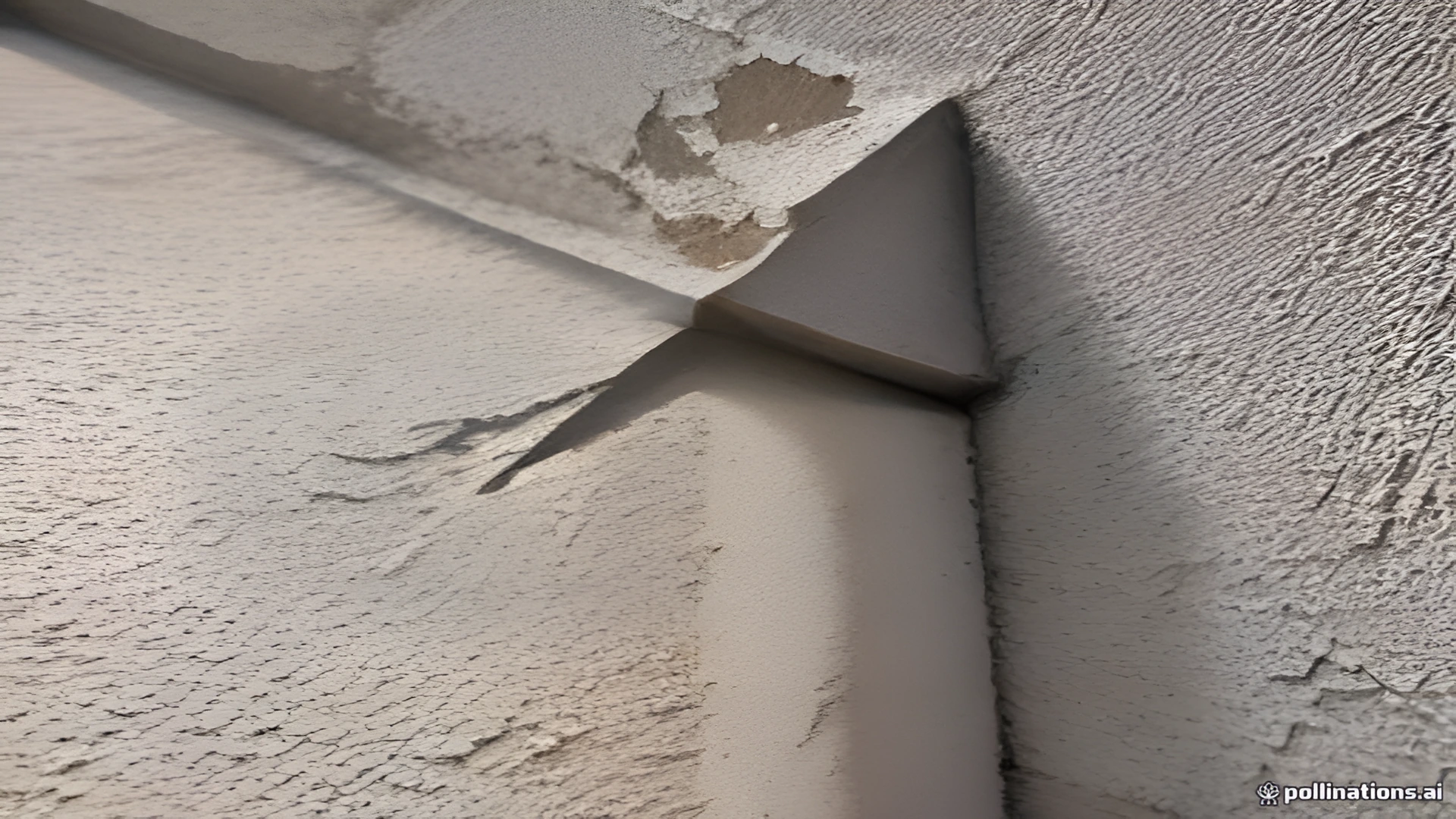
Monocouche systems are popular because colour runs through the coat, so small chips are less obvious than with painted render. On many Yorkshire semis and detached homes, a well-applied monocouche finish can look crisp for years when the base masonry is sound and movement joints, cills and weatherings are right.
Strengths homeowners notice:
- Familiar scraped texture that suits brick-to-render conversions
- Through-colour that hides minor surface marks
- Often competitive pricing on simple, accessible elevations
Watch-outs:
- Porous cementitious faces can hold dirt on busy roads or under trees
- Hairline cracks can open if the substrate moves or prep was rushed
- Repairs need careful colour matching even with through-colour systems
Monocouche is not “wrong” for Yorkshire. It is simply less forgiving when walls are damp, cracked or poorly detailed before the coat goes on.
How silicone render works on Yorkshire elevations
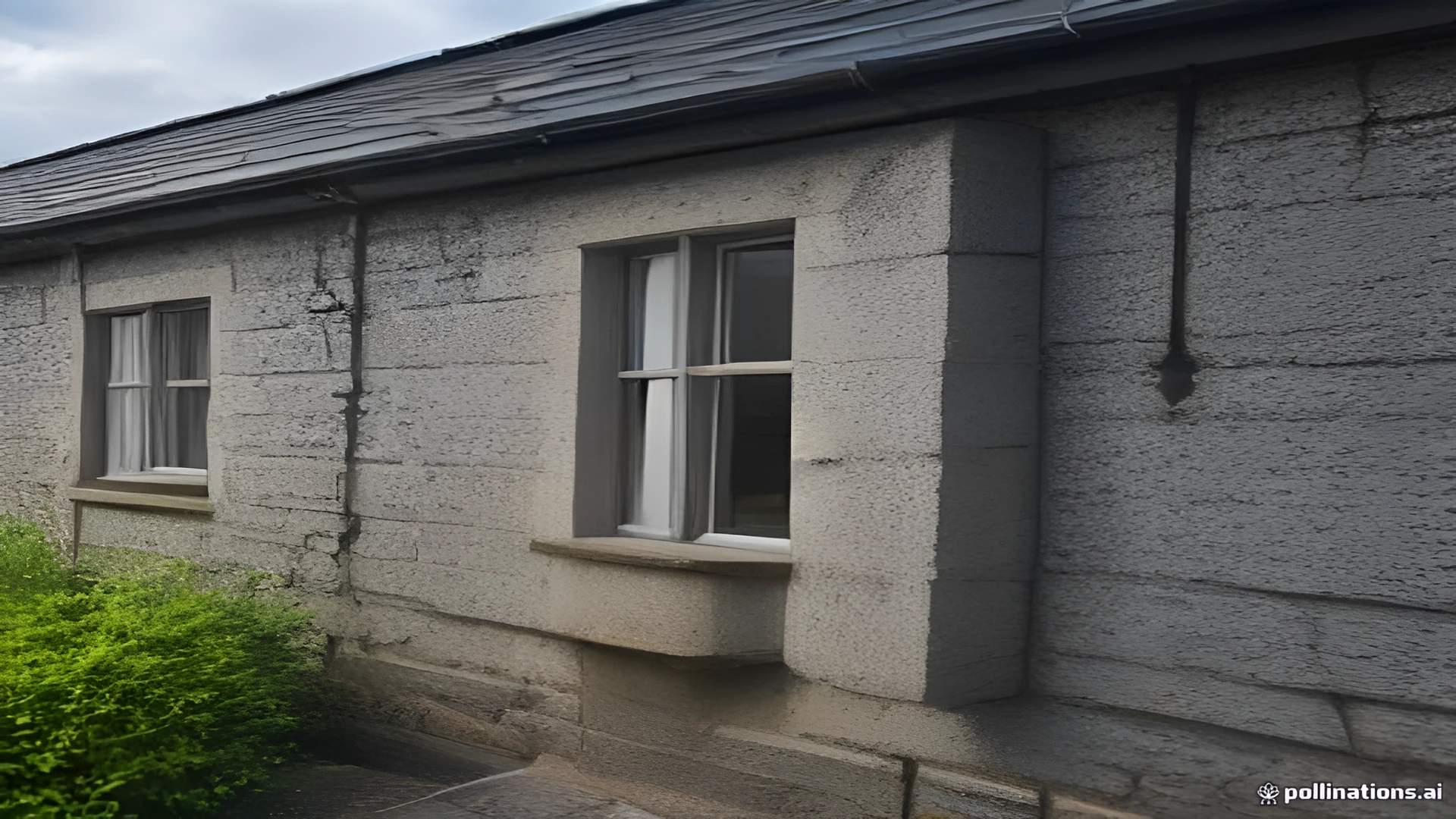
Silicone thin-coat systems sit over a base coat (and often mesh reinforcement where specified). The silicone binder helps water bead and run off, which is useful on west- and south-west-facing walls that take Atlantic-driven rain inland.
Strengths:
- Water-repellent surface that resists staining longer in many UK settings
- Flexibility that can cope better with minor movement than brittle coats
- Cleaner appearance for longer on exposed street faces
Watch-outs:
- Higher material cost and more layers to get right
- Needs correct base preparation; thin coats show substrate faults
- Not a magic fix for rising damp, failed DPCs or rotten timber
For homeowners comparing silicone vs monocouche render, silicone often wins on upkeep and weather face performance. Monocouche often wins on simple projects where the wall is sound and the budget is tight.
Yorkshire weather: rain, freeze-thaw and dirty air
Yorkshire is not a single climate. Coastal Scarborough and Bridlington deal with salt and wind. Pennine edges see colder snaps and more freeze-thaw. Leeds, Bradford and Sheffield corridors mix driving rain with roadside pollution.
Practical implications for both finishes:
- Driving rain finds weak points at window heads, abutments and poorly sealed junctions first
- Freeze-thaw enlarges cracks that let water in during milder wet days
- Road dirt and algae show sooner on North-facing or shaded walls that stay damp
Neither silicone nor monocouche replaces good detailing. Overhangs, cills with a drip, sealed junctions and sound flashings matter as much as the top coat brand.
Cost comparison: indicative UK 2025/2026 ranges
Published figures vary widely. Use these as orientation only for UK domestic elevations. Quotes change with prep, scaffolding, access, repairs, storey height and colour choice.
| Cost element | Indicative range (UK) | Notes |
|---|---|---|
| Monocouche (materials + labour, per m²) | Often roughly £40-£80/m² | Simpler elevations toward the lower end |
| Silicone thin-coat system (per m²) | Often roughly £55-£100+/m² | System build-up and brand affect price |
| Scaffolding / access | Project-specific | Can rival the render cost on awkward plots |
| Prep and repairs | Highly variable | Cracks, hollow areas, failed old render |
| Full house package | Commonly several thousand pounds upward | Always get a surveyed quote |
A cheap price that skips mesh over cracks or ignores damp staining is rarely a saving. Ask what is included: strip-off, primer, base coat, mesh, finish, corners and making good.
Pros, cons and when each finish is not the right fit
Silicone render: when it suits
- Exposed Yorkshire elevations that stay wet and dirty
- Homeowners who want fewer cleans and a modern thin-coat look
- Projects where a surveyed base coat and mesh can stabilise hairline movement
Silicone: when it is not the right fit
- Walls with unresolved damp or structural movement
- Listed or character buildings where a thin modern coat looks wrong without conservation advice
- Budgets that cannot fund proper prep (thin coats advertise poor prep)
Monocouche: when it suits
- Sound, dry substrates on less aggressive exposures
- Classic scraped aesthetics and through-colour preference
- Straightforward elevations where value for money matters
Monocouche: when it is not the right fit
- Already cracked, hollow or saturated render that needs more than a new colour
- Highly exposed faces where staining and water uptake have been a recurring problem
- Jobs where the quote assumes “paint over” instead of proper preparation
Decision checklist for homeowners and businesses
Work through these before you choose silicone vs monocouche render:
- Is the existing render hollow, mapped with cracks, or stained from behind?
- How exposed is each elevation to prevailing weather?
- Do you prefer a heavier scraped look or a finer thin-coat texture?
- What access and scaffolding will the job need?
- Are windows, roofs and gutters leaking onto the walls?
- Do you want lower cleaning frequency over the next decade?
Businesses with shopfronts or street-facing façades often lean toward silicone for cleaner kerb appeal. Homeowners on quieter plots with sound walls may be happy with monocouche.
Survey first, brochure second
Samples and colour charts help, but they do not tell you whether the old coat will take a new system. A site survey should check adhesion, moisture risk, crack patterns, substrate type and detailing. That is the difference between a finish that lasts and one that fails in a couple of winters.
Browse more practical guides on our Insights page, or speak to the team when you are ready for a quote.
FAQs
What is the difference between silicone and monocouche render?
Monocouche is typically a through-coloured cementitious render applied as a one-coat style system. Silicone render is a thin-coat finish over a base coat, with silicone binders that help shed water and stay cleaner. Both protect masonry, but they behave differently in Yorkshire rain and freeze-thaw cycles.
Is silicone render better than monocouche for Yorkshire weather?
Often silicone finishes cope well with driving rain and stay cleaner longer, which suits exposed UK elevations. Monocouche can still be a strong choice on the right substrate with good detailing. The better option depends on wall type, exposure, existing damage and how you want the house to look in five to ten years.
Which is cheaper: silicone or monocouche render?
Indicative UK 2025/2026 ranges often put monocouche lower on materials and labour for a straightforward job, while silicone systems can cost more but may reduce cleaning and patching over time. Scaffolding, prep and repairs usually move the total more than the finish brand alone. Always treat published ranges as indicative.
Can you put silicone render over old monocouche?
Sometimes, after a proper survey of adhesion, cracks and substrate moisture. Other times the old coat must be repaired or removed first. Covering failed render without fixing the cause is a common reason new finishes fail early.
How long does silicone vs monocouche render last?
Both can last many years when specified and applied correctly, with sound detailing around windows, cills and roofs. Lifespan depends on exposure, movement, maintenance and the quality of prep. Neither finish is maintenance-free forever.
How can Rendering Yorkshire help with silicone vs monocouche render?
Rendering Yorkshire can arrange support with trusted local renderers for a free site survey or quote. Call 020 3355 6838 or email contact@Rendering Yorkshire, or start from the homepage. That typically covers substrate checks, finish choice, colour and a realistic programme for Yorkshire weather.