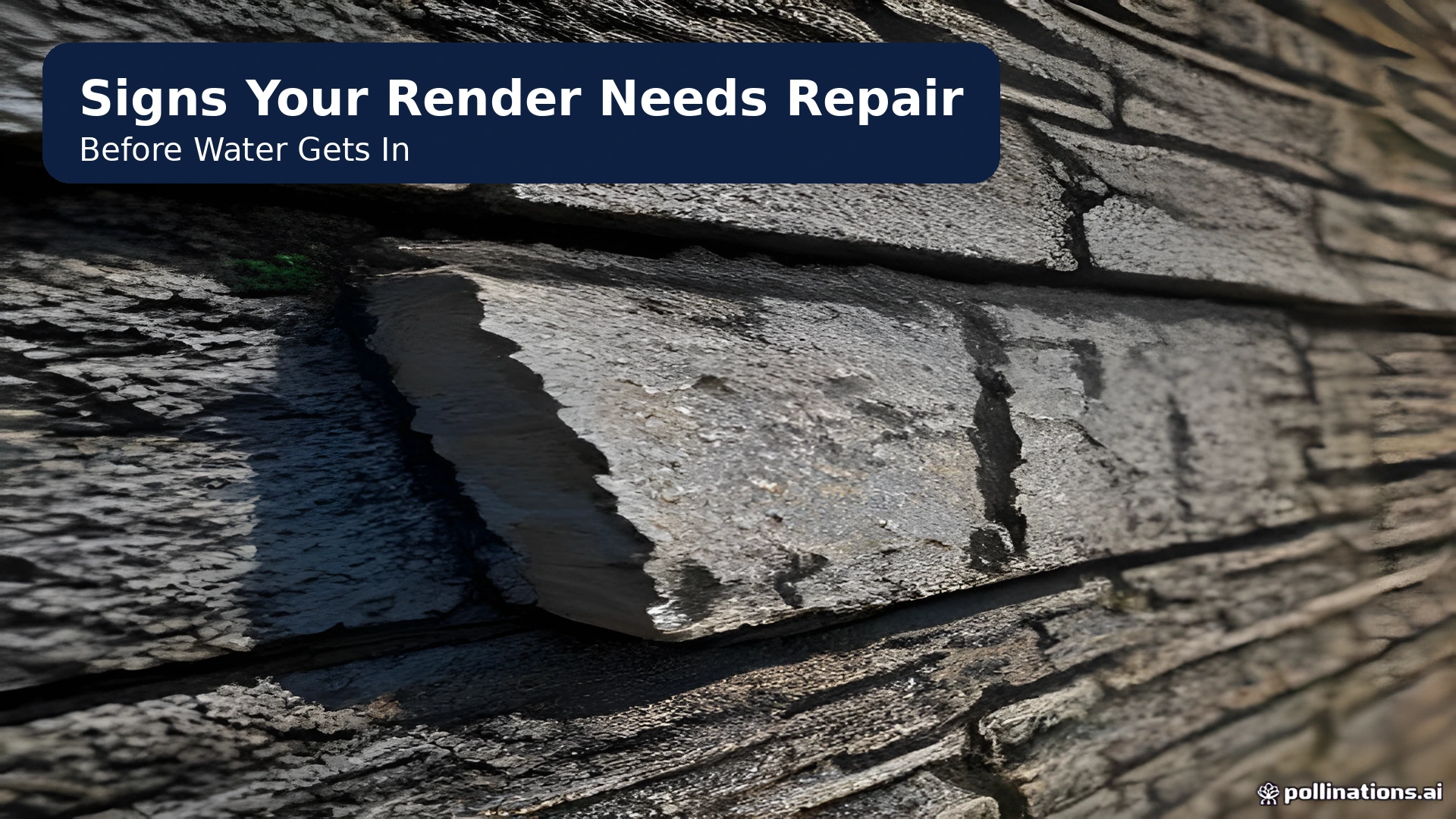
Render repair is easiest when you catch problems before water sits behind the coat. UK homeowners and small businesses often notice a crack or stain in spring and hope it will wait another winter. In Yorkshire weather, that wait can turn a cheap patch into a full elevation strip.
This guide covers the practical signs your render needs attention, how to tell cosmetic faults from urgent ones, what a sensible repair path looks like, and when replacement is the more honest route. If you want a second pair of eyes, Rendering Yorkshire can arrange a free site survey.
Why early render repair matters in the UK
Render is a weather skin. Once cracks and hollow spots let rain in, freeze-thaw cycles widen the damage. Wet insulation, stained interiors and rotten timber around openings cost more than timely external repair.
Acting early protects:
- The masonry or background wall
- Any insulation within an external wall system
- Internal finishes near cold, damp patches
- Street appeal for homes and business premises
Waiting until sheets detach is the expensive option.
Visual signs your render needs repair
Walk the elevations after rain and again on a dry day. Look high and low, not only at eye level from the path.
| Sign | What you may see | Urgency |
|---|---|---|
| Hairline map cracking | Fine web of lines, often on older cement coats | Assess soon; monitor if stable |
| Stepped or wide cracks | Cracks following stress lines or openings | Higher; survey for movement |
| Hollow / blown patches | Bulges, hollow tap sound, loose edges | High; break out risk |
| Damp staining | Dark patches below cills, abutments, parapets | High if recurring after dry spells |
| Crumbling base | Render debris on paths, soft lower band | Medium to high |
| Failed patches | Obvious colour islands, cracking around old repairs | Medium; scope may be wider |
| Algae / heavy soiling | Green or black growth on damp faces | Often cleaning first; check for cracks underneath |
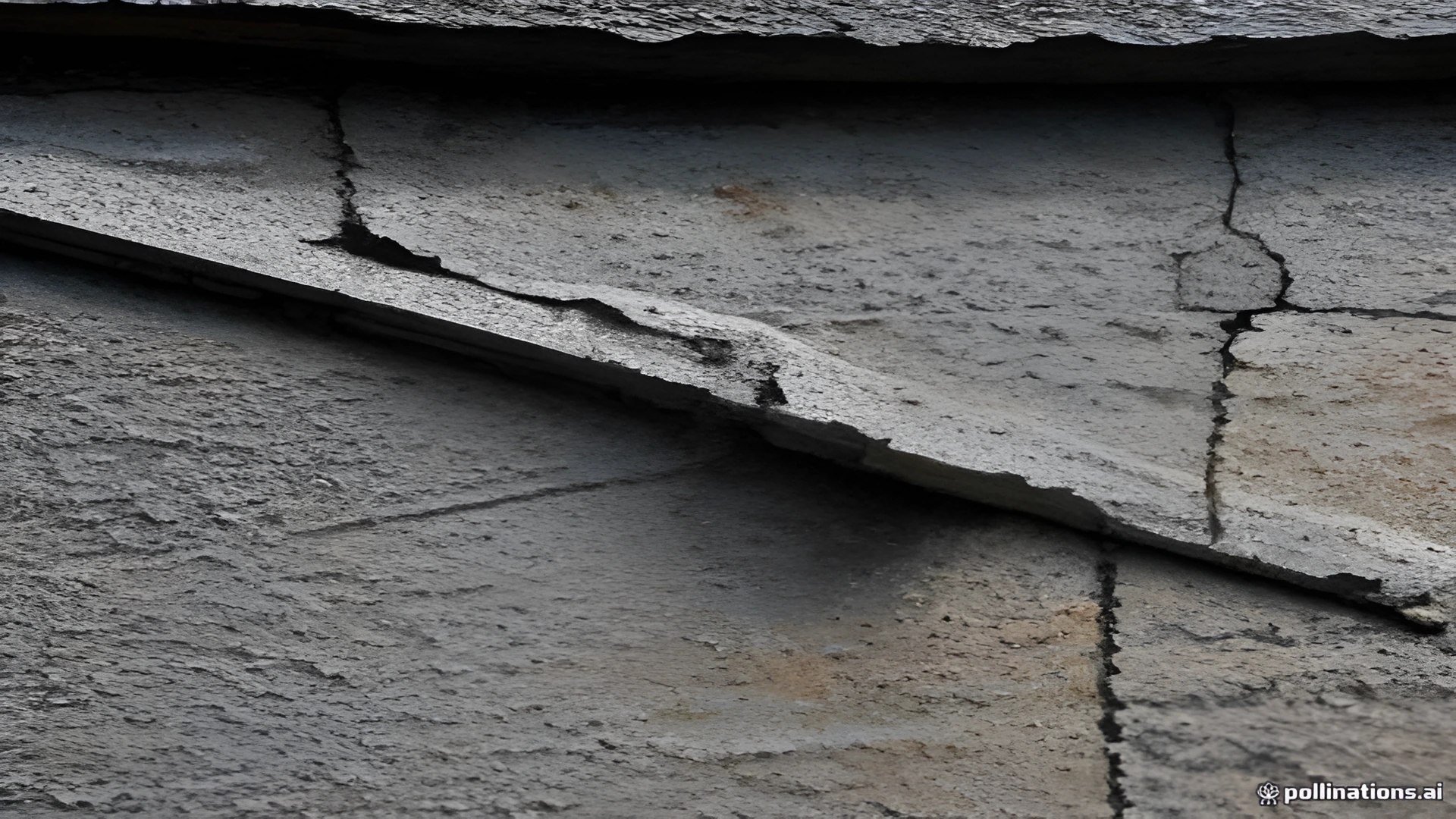
Photograph defects with a date. Patterns that grow after wet weeks are more urgent than static cosmetic marks.
The tap test and other simple checks
Gently tap suspect areas with a small tool handle. A sharp, solid sound usually means adhesion. A dull, drum-like sound often means the coat has parted from the background.
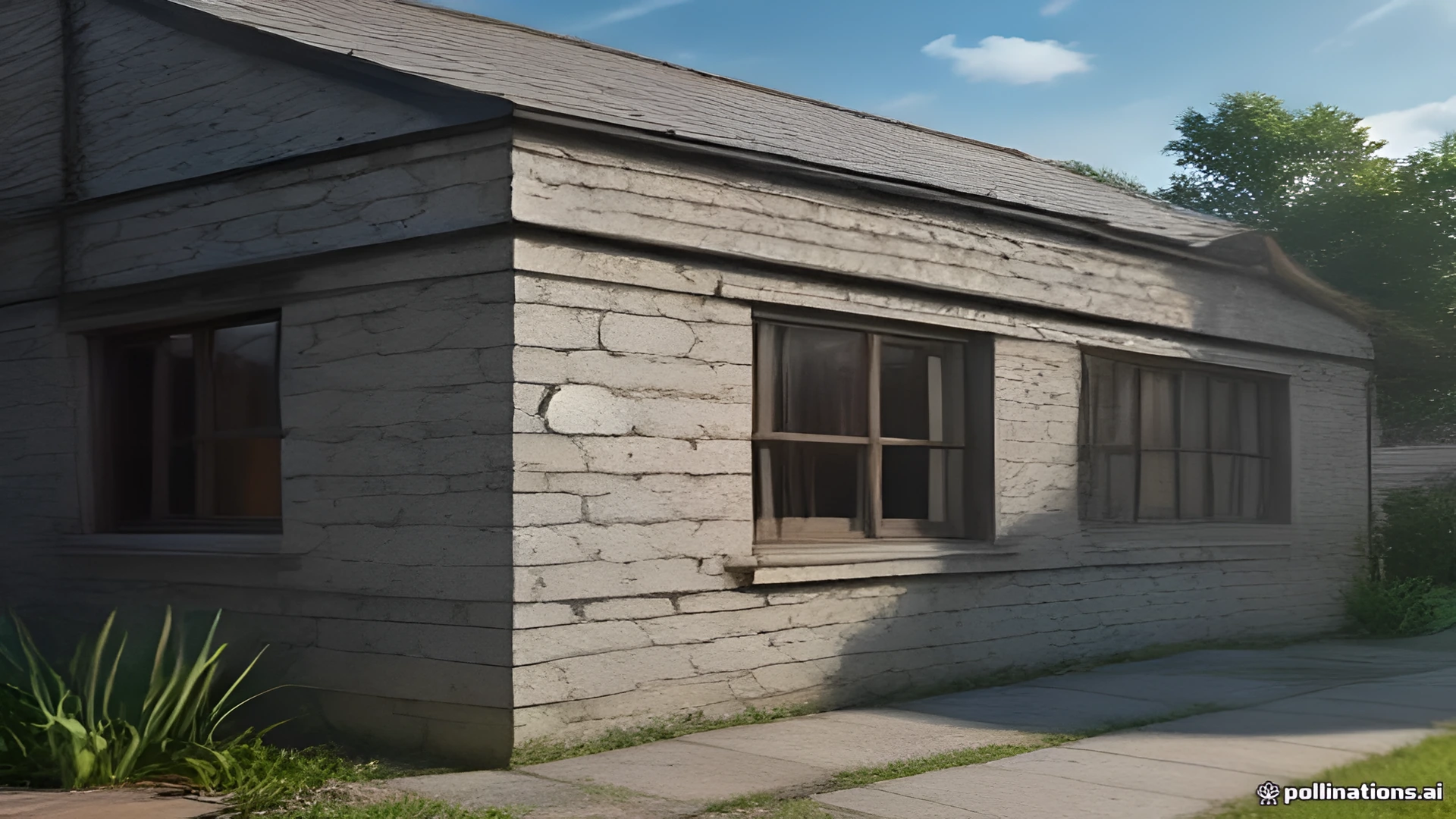
Also check:
- Whether cracks darken and hold water after rain
- Soft or crumbly edges when lightly probed
- Gaps at window edges, beads and roof abutments
- Internal cold spots or mould near the same wall line
Do not lever large sheets off yourself from height. Multi-storey or fragile areas need safe access and a professional assessment.
Common causes behind render repair jobs
Understanding cause stops you paying twice.
Typical drivers across Yorkshire homes:
- Normal building movement and thermal expansion
- Poor original mix, thickness or curing
- Water from failed gutters, flashings or bridged DPCs
- Impact damage and previous mismatched patches
- Long-term weathering on exposed elevations
If the cause is a leaking gutter, repairing render alone will not hold. Fix the water path first, then the coat.
Repair versus re-render: a decision table
| Situation | Often suits | Why |
|---|---|---|
| Local cracks on otherwise sound coat | Local mesh repair / patch | Contained defect |
| One blown panel on a sound elevation | Cut back to sound edges + patch | Limits waste |
| Widespread hollow mapping | Elevation re-render | Patches would multiply |
| Saturated / failing EWI finish | System repair by competent installer | Build-up is a system, not a paint |
| Cosmetic dirt only | Clean and protect | No structural coat failure |
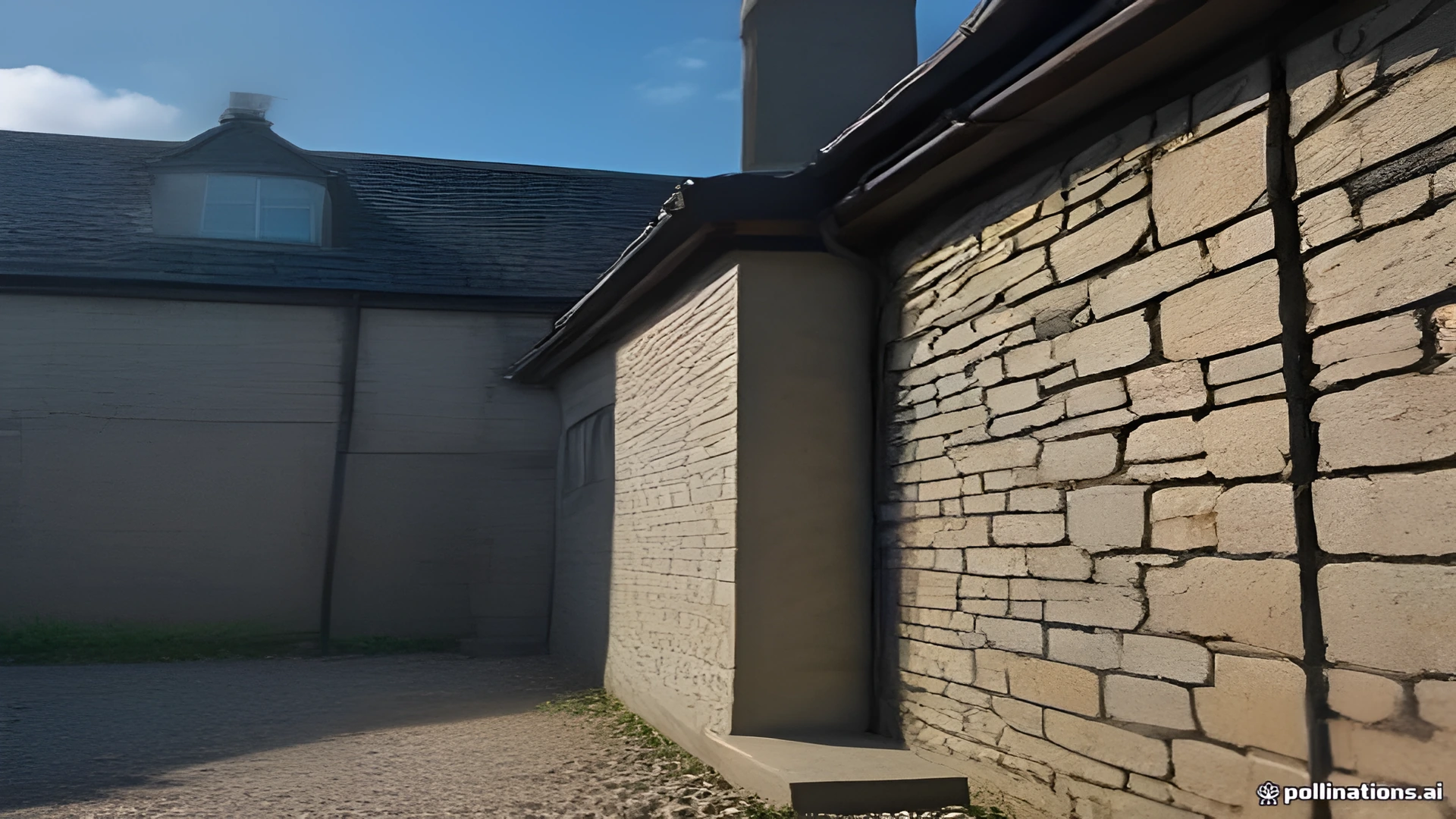
Homeowners sometimes prefer a full new finish for colour consistency even when repairs would work. That is a valid aesthetic choice if budget allows. Businesses with customer-facing façades often choose the cleaner full elevation for kerb appeal.
When render repair is not the right first step
Pause and investigate further if you see:
- Cracks that keep widening month to month
- Fresh internal damp aligned with external stains
- Bulging that suggests ongoing moisture behind the coat
- Suspected structural movement at corners or openings
In those cases, a wider building survey may sit alongside render advice. Decorative patching over active movement wastes money.
What a good render repair visit should cover
A useful survey notes defect locations, likely causes, safe access needs and a clear choice between local repair and wider renewal. It should also discuss colour matching limits on weathered elevations.
Ask for:
- Photos of hollow or cracked zones marked up
- Whether mesh reinforcement is proposed
- How edges will be cut back to sound render
- Scaffold or access method
- Indicative programme around drying times
More guides for Yorkshire homeowners sit on our Insights page.
Practical next steps for homeowners and businesses
- Map and photograph defects after wet weather
- Clear gutters and check flashings that wet the wall
- Avoid sealing over damp or hollow areas with dense coatings that trap moisture
- Get a surveyed quote before winter if cracks are opening
- Plan access and neighbour communication early on terraced streets
Small businesses with street frontages should also think about customer access and branding colours if a full elevation is refreshed.
Seasonal timing for render repair in Yorkshire
Mild, dry spells are easier for repairs because coats need time to cure. Autumn and winter bring more rain and freeze-thaw, which can pause outdoor work and extend scaffold hire. If you already see hollow patches in late summer, booking a survey before the wet season is often wiser than waiting for a January blow-off.
That does not mean emergency making-safe should wait. Loose sheets above paths, doors or pavements need prompt attention for safety, even if cosmetic finishing follows later.
How repairs are usually carried out (high level)
A typical local repair sequence looks like this:
- Protect ground and openings
- Cut back defective render to sound, well-adhered edges
- Address obvious water sources where agreed
- Apply bonding or base coats with mesh across cracks as specified
- Texture and colour to blend as closely as practical
- Allow proper drying before exposing the wall to hard weather
Perfect invisible patches on weathered elevations are not always realistic. Honest quotes say so. Full elevation recolour or re-render is the route when you want a uniform face.
Cost orientation for render repair
Local repairs can start in the low hundreds of pounds for small patches and climb when access, mesh and colour matching expand the scope. Elevation renewals follow the wider house rendering cost bands discussed in our other Insights guides. Ask for a scoped quote rather than a single mobile-phone guess.
| Repair scale | Indicative UK orientation | Access note |
|---|---|---|
| Small ground-floor patch | Often low hundreds | Ladders may suffice if safe |
| First-floor local repairs | Mid hundreds upward | Tower or scaffold often needed |
| Multi-patch elevation | High hundreds to thousands | Scaffold usually required |
| Full elevation renewal | Thousands upward | Scaffold + full system price |
These bands are indicative only for UK work in 2025/2026 and move with labour, materials and site constraints.
FAQs
What are the early signs render needs repair?
Hairline map cracking, hollow-sounding patches, localised staining below cills, and crumbs of render at the base of walls are common early signs. Act before cracks widen enough to hold water through Yorkshire freeze-thaw cycles.
Are hairline cracks in render serious?
Not always, but they are worth assessing. Fine cracks can be cosmetic; cracks that deepen, darken when wet, or sit over hollow areas often need mesh repair or wider work. Ignoring them lets water track behind the coat.
What does blown render look like?
Blown render sounds hollow when tapped, may bulge, and can detach in sheets. It often follows trapped moisture, poor adhesion or long-term weathering. Blown areas should be broken out to a sound edge before patching or re-rendering.
Can I patch render myself?
Small, shallow defects on non-critical areas are sometimes DIY territory for confident homeowners, but matching colour, texture and adhesion is hard. Widespread cracking, damp staining or multi-storey work is better surveyed. Poor patches can trap water.
When should render be replaced rather than repaired?
When large areas are hollow, mapped with deep cracks, saturated, or failing across several elevations, full elevation renewal is often more honest than a patchwork. A survey should separate local repair from full system replacement.
How can Rendering Yorkshire help with render repair?
Rendering Yorkshire can arrange support with trusted local renderers for a free site survey or quote. Call 020 3355 6838 or email contact@Rendering Yorkshire, or start via the homepage. That helps you decide between local repair and wider re-rendering before water damage spreads.